
What Happens During a Dog Dental Cleaning? A Step-by-Step Look Behind the Scenes
A dog dental cleaning procedure involves a thorough oral exam, full-mouth dental X-rays, professional scaling, and polishing, all performed under general anesthesia. Most pet owners know their dog needs regular professional cleanings, but few have ever seen what actually happens once their dog is checked in and the procedure begins. Understanding the dog teeth cleaning procedure from start to finish can ease anxiety, help you ask better questions, and give you confidence that your dog is in skilled, caring hands. At Furever Family Veterinary Care Center in East Moline, IL, transparency is part of how we care for both pets and their people.
What Is a Dog Dental Cleaning?
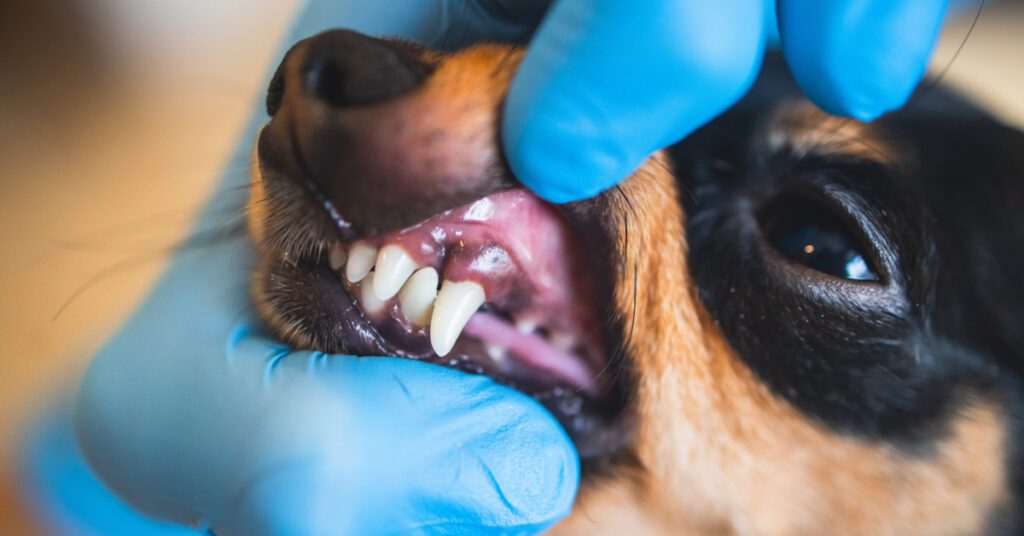
A professional dog dental cleaning is a comprehensive oral health procedure performed under general anesthesia by a licensed veterinarian or trained veterinary team. It is sometimes called a canine dental prophylaxis, and it goes well beyond what you can accomplish at home with a toothbrush and toothpaste.
The dog teeth cleaning procedure addresses the full oral environment: visible tartar on the crown of each tooth, plaque and bacteria below the gumline, bone health around each tooth root, soft tissue condition, and the overall structure of your dog’s bite and jaw. Unlike cosmetic or anesthesia-free cleaning services, a properly performed professional dog dental cleaning is a diagnostic and therapeutic medical procedure.
Why Is Anesthesia Required for a Dog Dental Cleaning?
General anesthesia is required for a safe, complete, and effective dog teeth cleaning procedure. Dogs cannot cooperate with sharp dental instruments working near sensitive gum tissue. Anesthesia eliminates movement, reduces stress, and allows our veterinary team to work thoroughly on every part of the mouth, including behind the last molars and deep below the gumline.
Anesthesia also makes full-mouth dental X-rays possible. Without X-rays, up to 60% of dental disease, including root abscesses, bone loss, and tooth resorption, goes completely undetected. The American Veterinary Dental College and the American Animal Hospital Association both state clearly that dental procedures performed without anesthesia are inadequate and potentially harmful. Anesthesia is not a risk to minimize. It is a tool that makes the dog teeth cleaning procedure safe and complete.
Before the Procedure
A safe dog dental cleaning procedure begins long before your dog is placed under anesthesia. The preparatory steps are designed to protect your dog’s health and give our veterinary team a complete picture before the procedure starts.
Pre-Anesthetic Bloodwork
Before every dog teeth cleaning procedure, bloodwork is performed to screen for conditions that could affect anesthesia safety. The panel typically evaluates kidney and liver function, red and white blood cell counts, and blood sugar. Senior dogs or those with known health conditions may require a more comprehensive workup. Results from bloodwork allow your veterinarian to tailor the anesthetic protocol to your dog specifically.
Fasting Requirements
Your dog should not eat after midnight the night before the dog teeth cleaning procedure. Food in the stomach creates a risk of aspiration during anesthesia. Your veterinary team will provide specific fasting instructions, including guidance on water. Follow them closely, as even a small amount of food can affect anesthesia safety.
Pre-Procedure Examination
On the day of the procedure, one of our veterinarians or veterinary technicians perform a brief physical exam to confirm your dog is healthy enough to proceed. Vitals are recorded, weight is confirmed for accurate medication dosing, and any recent health concerns you mention are noted in the record.
During the Procedure
The dog teeth cleaning procedure itself unfolds in a series of carefully sequenced steps. Each one serves a specific medical purpose and contributes to a complete assessment and treatment of your dog’s oral health.
Anesthesia Induction and Monitoring
Anesthesia begins with a sedative injection, followed by induction of general anesthesia through an IV catheter. Once your dog is anesthetized, a breathing tube is placed to maintain an open airway and deliver anesthetic gas. A trained veterinary technician monitors your dog continuously throughout the entire dog teeth cleaning procedure, tracking heart rate, blood pressure, oxygen saturation, respiratory rate, and body temperature in real time.
Full-Mouth Dental X-Rays
Once anesthetized, full-mouth digital dental radiographs are taken of every tooth. This is one of the most important steps in the dog teeth cleaning procedure and cannot be adequately performed on a conscious dog. X-rays reveal bone loss, tooth root abscesses, retained roots, internal tooth resorption, and other conditions that appear normal on the surface but require treatment. A dental cleaning performed without X-rays is an incomplete cleaning.
Oral Examination and Charting
Your veterinarian examines every tooth systematically, using a dental probe to measure the depth of the gum pocket around each tooth. Normal pockets in dogs are one to three millimeters deep. Pockets deeper than that indicate periodontal disease. Findings are charted to create a dental record for your dog and guide treatment decisions.
Scaling
Using an ultrasonic scaler and hand instruments, the veterinary team removes plaque and tartar from the crown of each tooth and from the surfaces below the gumline. Subgingival scaling, the removal of deposits beneath the gum, is where much of the therapeutic benefit of the dog teeth cleaning procedure is found. This is the step that directly disrupts the bacterial environment that drives periodontal disease.
Extractions and Additional Treatment
If the oral exam and X-rays reveal teeth that cannot be saved, those teeth are extracted during the same anesthetic event whenever possible. Conditions that may require extraction include severe periodontal bone loss, tooth root abscesses, fractured teeth with pulp exposure, or teeth that are mobile. The veterinarian discusses findings and recommended treatments with you as soon as your dog is safely in recovery.
Polishing
After scaling, each tooth surface is polished using a rotary brush and dental paste. Polishing smooths microscopic scratches in the enamel left by scaling instruments. Smooth enamel is harder for bacteria and plaque to adhere to, which helps slow tartar reformation after the dog dental cleaning procedure is complete.
After the Procedure
Recovery from the dog dental cleaning procedure begins in the clinic and continues at home. Knowing what to expect in both settings helps you support your dog through the recovery process with confidence.
In-Clinic Recovery
After the procedure is complete, anesthetic gas is discontinued and your dog begins waking up in a quiet, warm recovery area. A technician stays with your dog as they regain consciousness, monitoring their temperature, breathing, and alertness. Most dogs are discharged the same afternoon, typically within one to four hours of the procedure concluding.
At-Home Recovery
When you pick up your dog after their dog teeth cleaning procedure, the team at Furever Family Veterinary Care Center will walk you through discharge instructions. Common recommendations include:
- Offering a small meal later in the evening and monitoring for nausea
- Keeping your dog calm and limiting activity for the rest of the day
- Administering any prescribed pain medication as directed
- Monitoring the gums and mouth for unusual bleeding, swelling, or discharge
- Contacting the clinic if your dog shows signs of excessive lethargy, vomiting, or difficulty swallowing
Most dogs feel and act like themselves within 24 hours after a routine dog teeth cleaning procedure. Dogs that had extractions may need two to five days of quieter recovery, with soft food offered temporarily as the extraction sites heal.
What Happens After Your Dog’s Teeth Cleaning Procedure
Every dog that comes to Furever Family Veterinary Care Center in East Moline, IL for a professional dog teeth cleaning procedure goes home with a clear picture of their oral health, a copy of their dental chart, and a personalized plan for maintaining what was accomplished. Our team is here to answer questions, support your dog’s recovery, and help you build an at-home routine that protects your pet’s mouth between visits. If you’re ready to schedule a dental exam or professional cleaning, call (309) 281-7026 or book an appointment online today. Your dog’s healthiest mouth starts here.
Recent Posts
About Furever Family Veterinary Care Center
As an AAHA Accredited Veterinary Care Center, we care about your animals from nose-to-tail throughout their lifetime and have built our practice to support as much of your pet's needs here on site.
We have a deep love for every furry friend and know that they are part of your Family – and deserve to be treated that way.